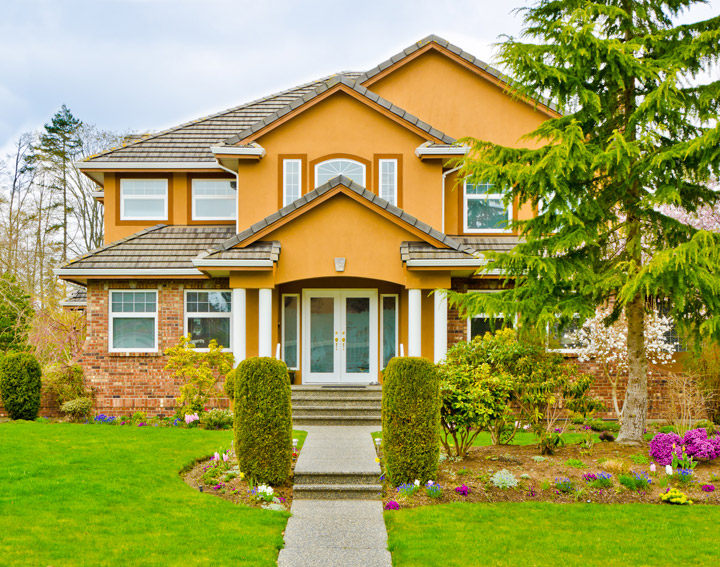
Understanding AppraisalsA home purchase is the biggest financial decision some could ever encounter. Whether it's where you raise your family, a second vacation property or a rental fixer upper, the purchase of real property is a detailed financial transaction that requires multiple parties to pull it all off. It's likely you are familiar with the parties taking part in the transaction. The real estate agent is the most recognizable entity in the transaction. Then, the lender provides the financial capital required to fund the transaction. And ensuring all areas of the sale are completed and that a clear title passes to the buyer from the seller is the title company. So, who makes sure the value of the property is consistent with the purchase price? In comes the appraiser. We provide an unbiased opinion of what a buyer could expect to pay — or a seller receive — for a parcel of real estate, where both buyer and seller are informed parties. A licensed, certified, professional appraiser from T Squared Appraisals, LLC will ensure, you as an interested party, are informed. Inspecting the subject propertyTo determine the true status of the property, it's our duty to first conduct a thorough inspection. We must see features first hand, such as the number of bedrooms and bathrooms, the location, and so on, to ensure they indeed exist and are in the condition a reasonable buyer would expect them to be. To make sure the stated size of the property is accurate and illustrate the layout of the property, the inspection often includes creating a sketch of the floorplan. Most importantly, the appraiser looks for any obvious features - or defects - that would affect the value of the house. Once the site has been inspected, an appraiser uses two or three approaches to determining the value of the property: a paired sales analysis, a replacement cost calculation, and an income approach when rental properties are prevalent. 
Cost ApproachHere, we gather information on local construction costs, the cost of labor and other elements to ascertain how much it would cost to replace the property being appraised. This value usually sets the maximum on what a property would sell for. The cost approach is also the least used method. 
Sales ComparisonAppraisers are intimately familiar with the subdivisions in which they work. They thoroughly understand the value of particular features to the residents of that area. Then, the appraiser researches recent sales in the vicinity and finds properties which are 'comparable' to the real estate being appraised. Using knowledge of the value of certain items such as upgraded appliances, additional bathrooms, additional living area, quality of construction, lot size, we add or subtract from each comparable's sales price so that they are more accurately in line with the features of subject property.
An opinion of what the subject might sell for can only be determined once all differences between the comps and the subject have been evaluated. At T Squared Appraisals, LLC, we are experts in knowing the worth of real estate features in Bethany and Oklahoma County neighborhoods. This approach to value is commonly awarded the most consideration when an appraisal is for a home exchange. Valuation Using the Income ApproachA third way of valuing real estate is sometimes applied when a neighborhood has a measurable number of renter occupied properties. In this situation, the amount of income the property produces is taken into consideration along with other rents in the area for comparable properties to give an indicator of the current value. The Bottom LineCombining information from all approaches, the appraiser is then ready to stipulate an estimated market value for the property at hand. The estimate of value at the bottom of the appraisal report is not necessarily what's being paid for the property even though it is likely the best indication of a property's valueThere are always mitigating factors such as seller motivation, urgency or 'bidding wars' that may adjust an offer or listing price up or down. Regardless, the appraised value is typically employed as a guideline for lenders who don't want to loan a buyer more money than the property is actually worth. It all comes down to this, an appraiser from T Squared Appraisals, LLC will guarantee you discover the most fair and balanced property value, so you can make the most informed real estate decisions. |